


Enquire Today!
If you have any questions, requests or general enquiries, please do not hesitate to email us and we will get back to you as soon as possible regarding your enquiry.
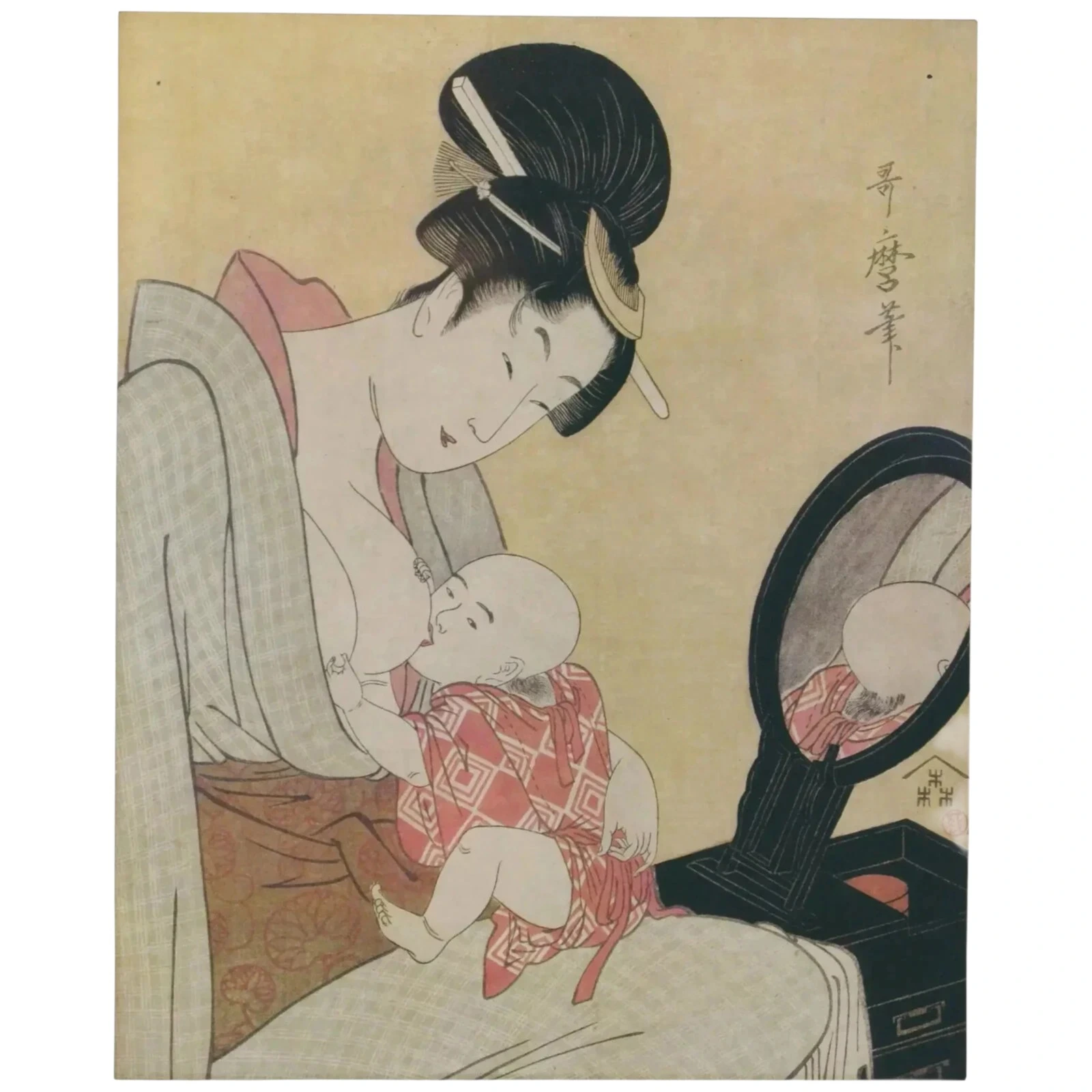


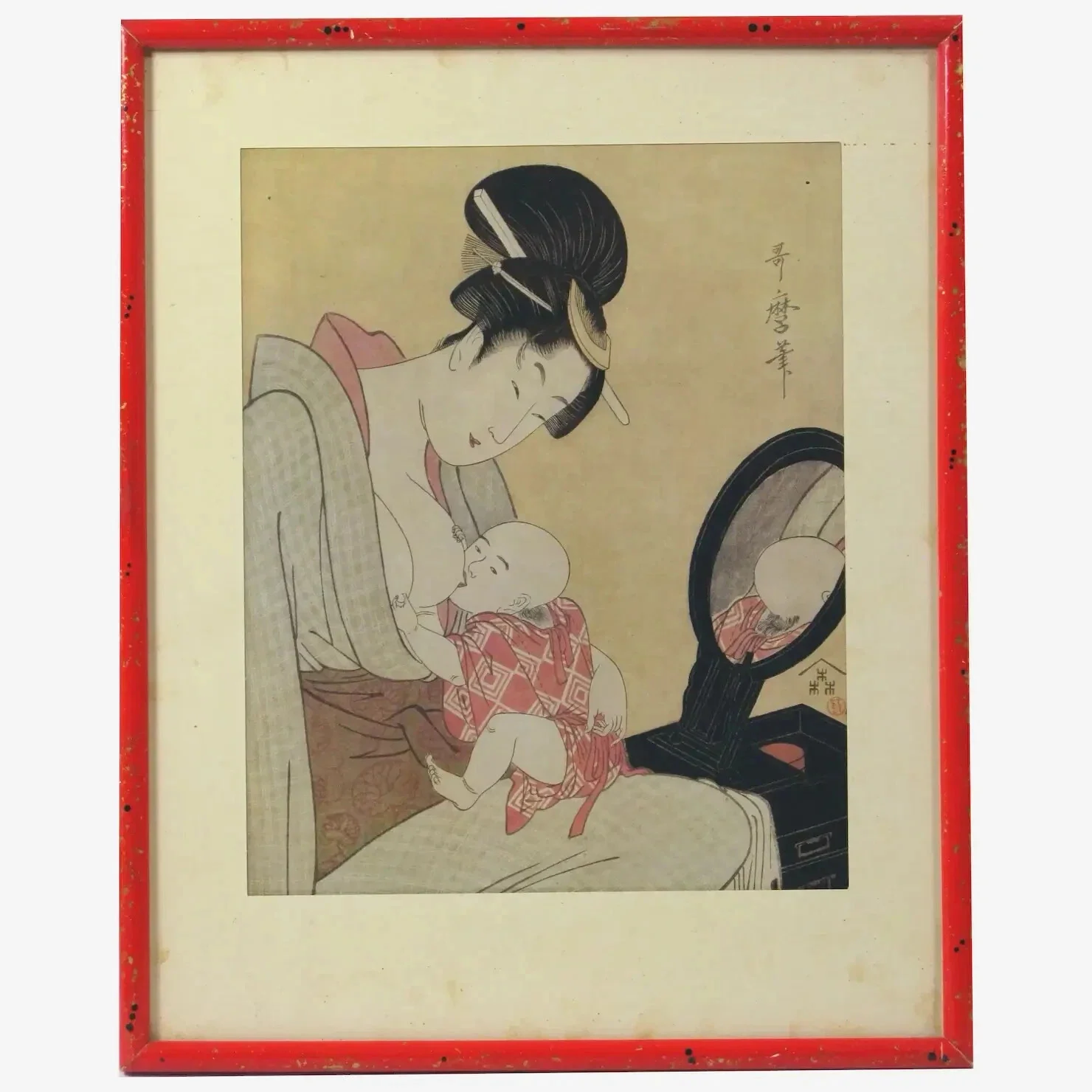

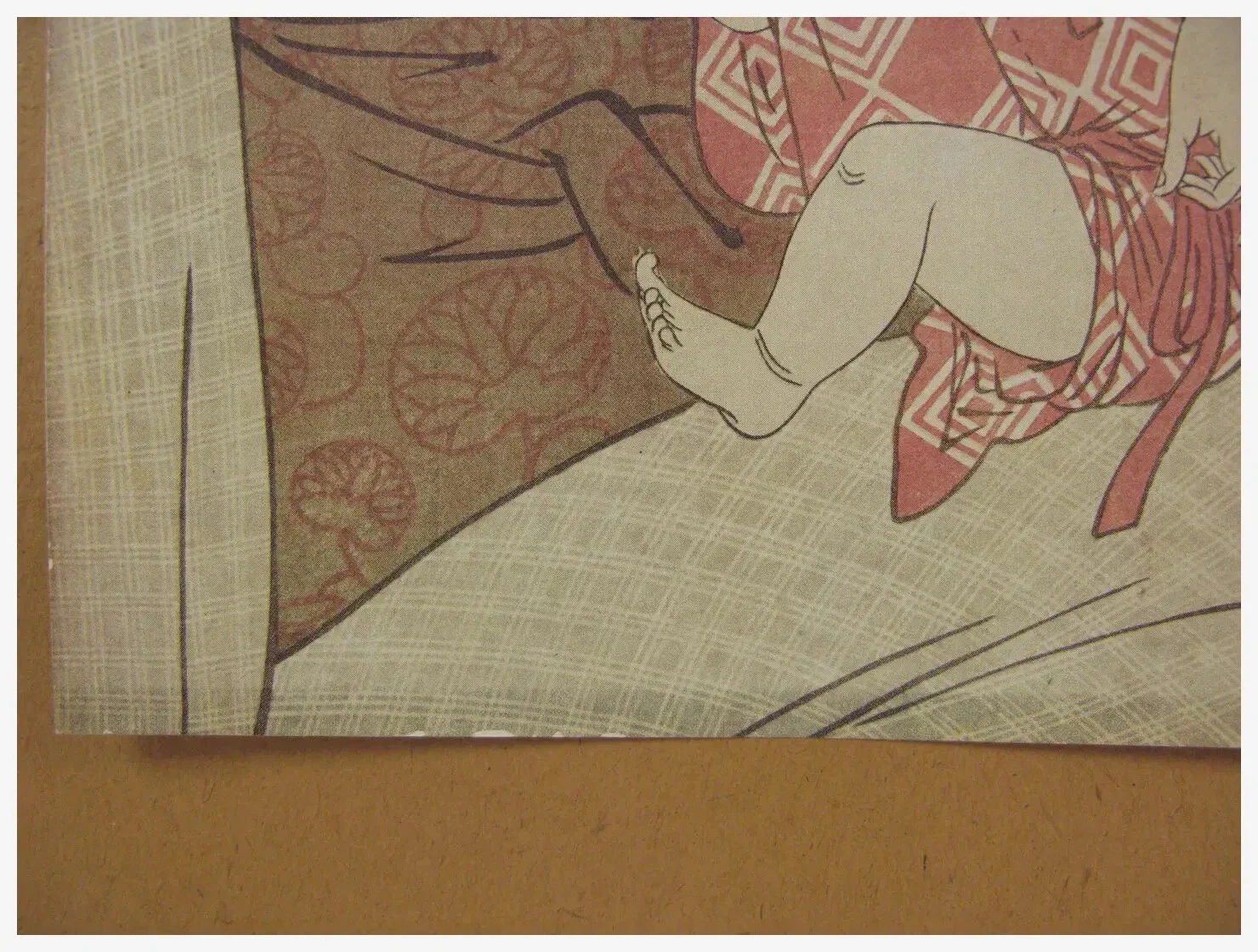
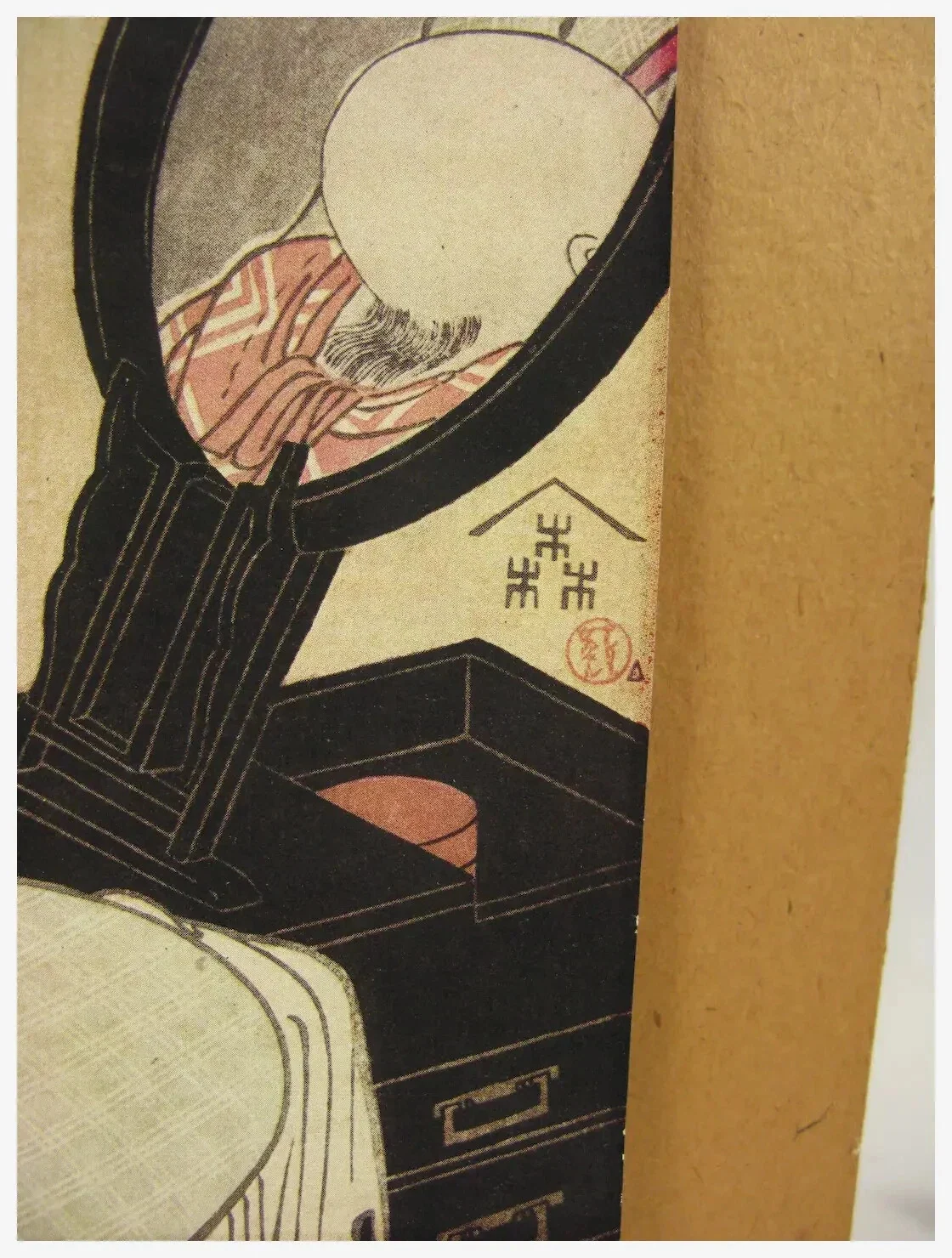
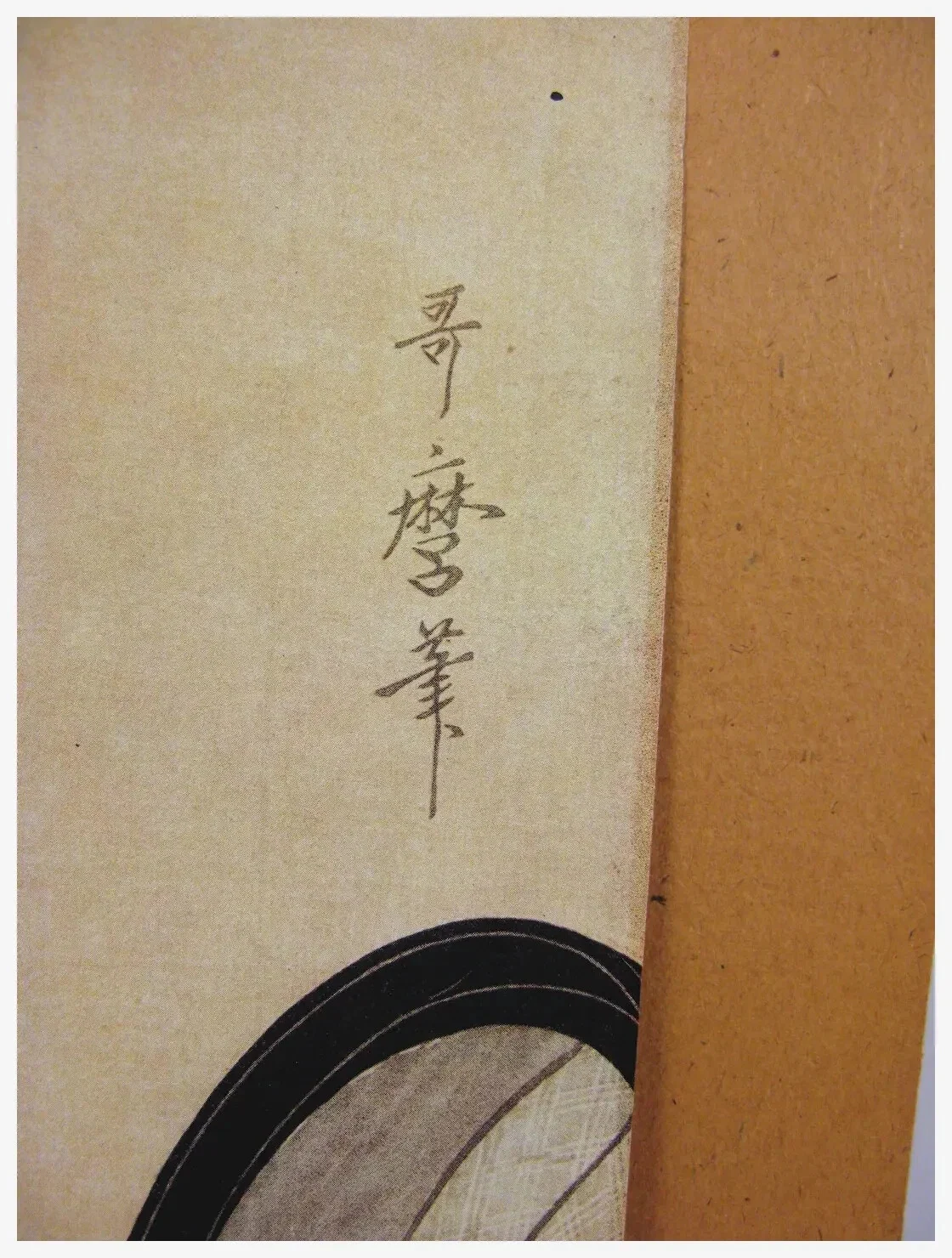
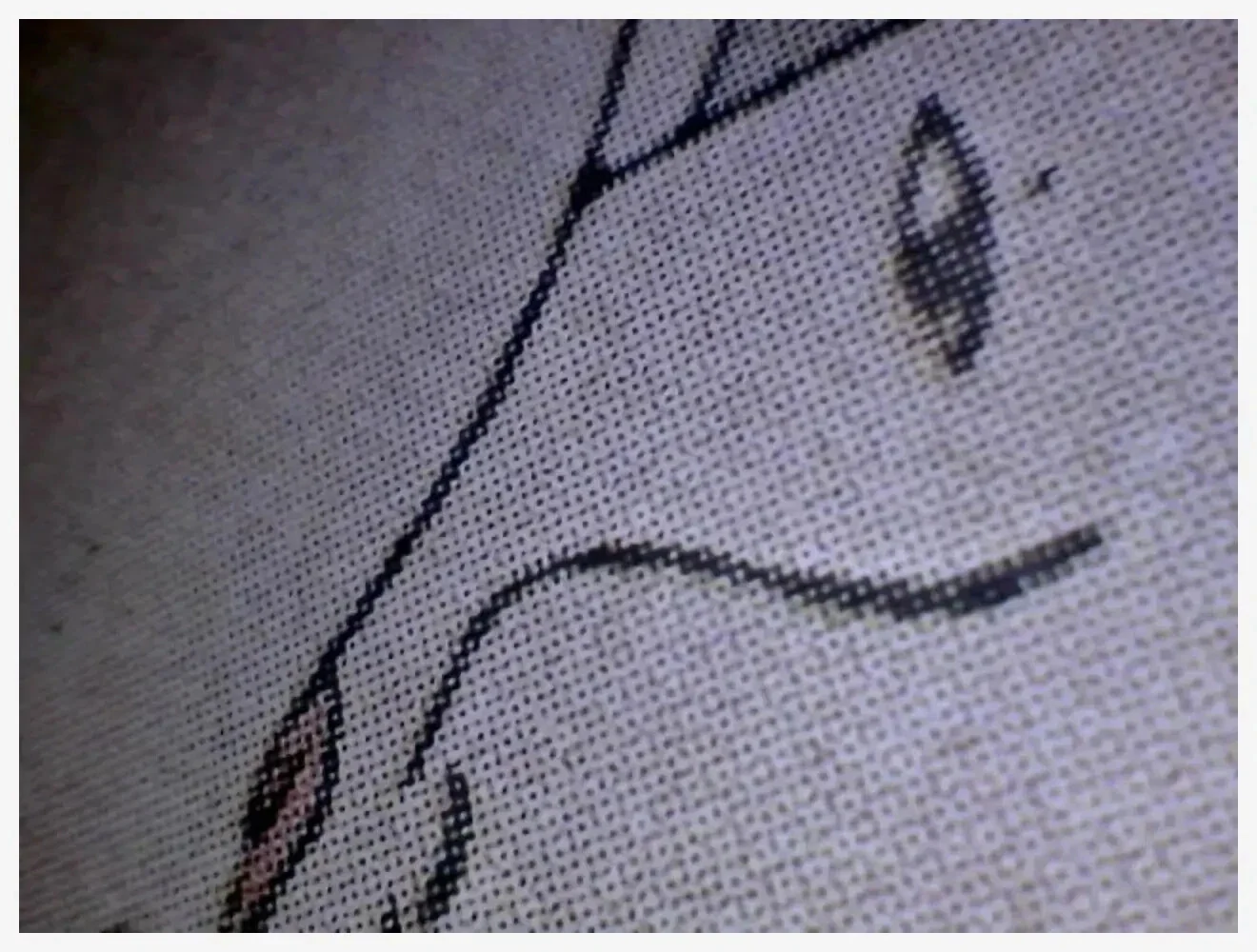
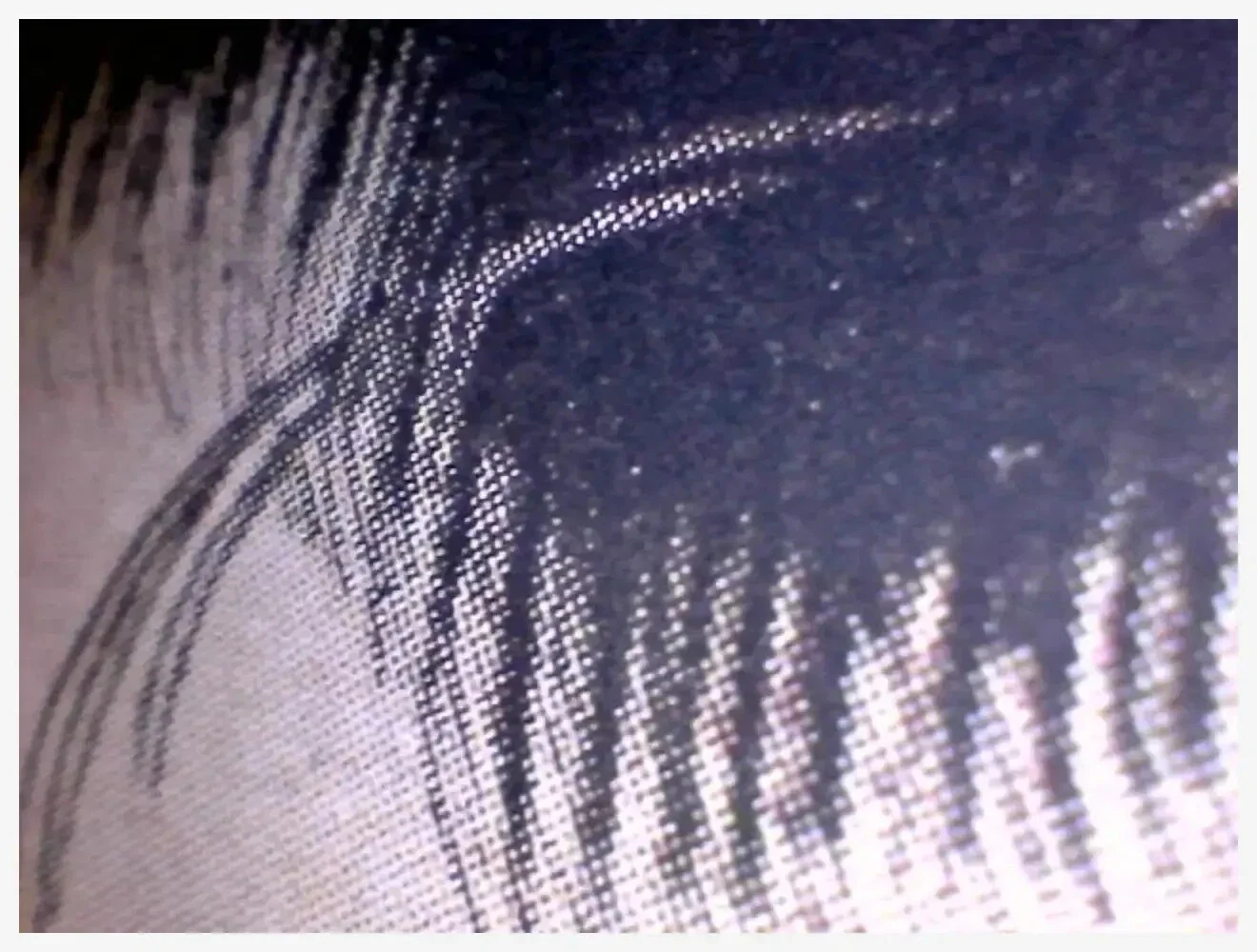
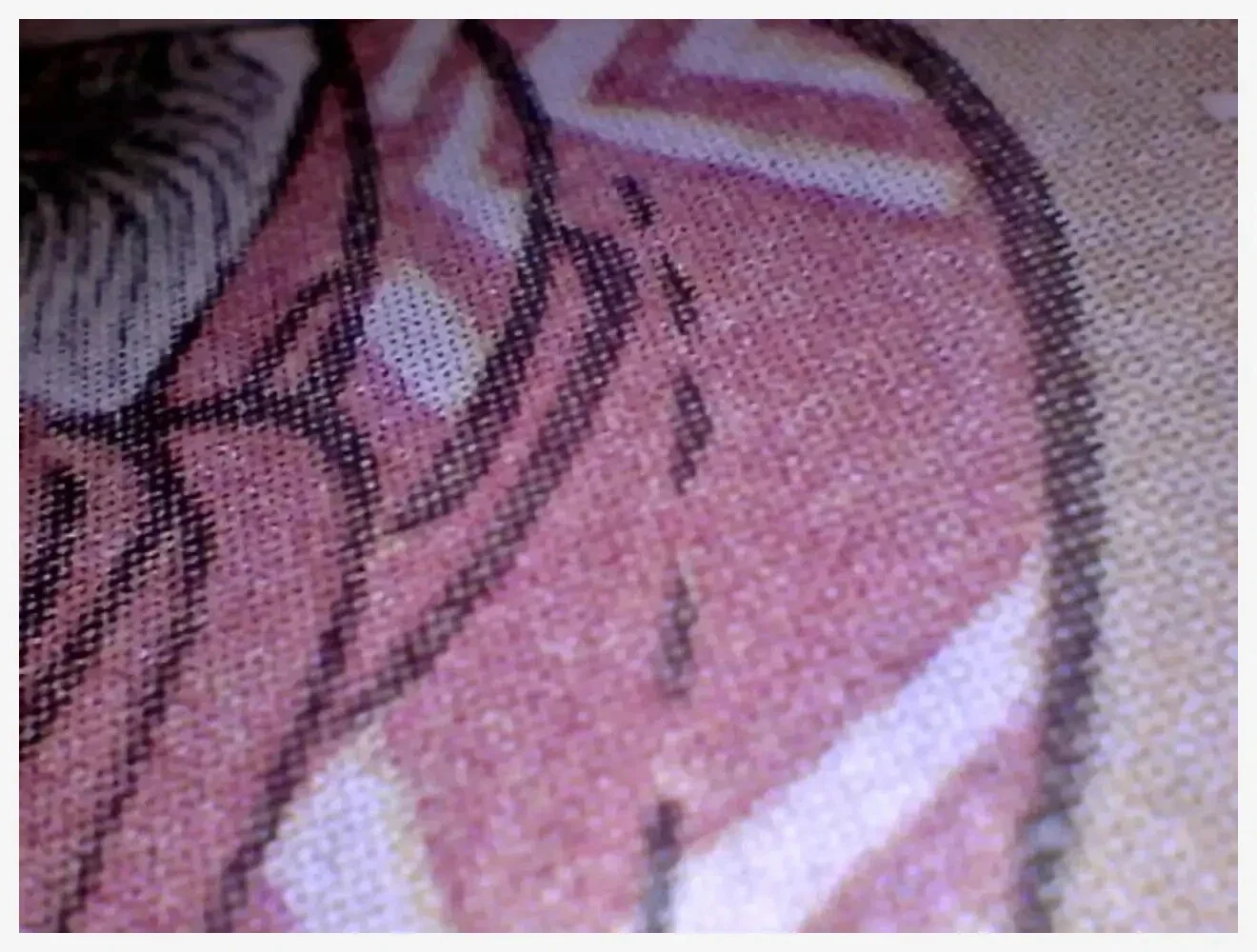


A seated mother cradles her nursing infant beside a dark lacquered dressing stand, rendered in fine black keyblock outlines and soft colour washes. The woman wears a grey cross-hatched kimono opened at the breast, secured with a broad brown patterned sash, her elaborate high coiffure pinned with traditional combs and bodkins. Her young child, draped in an angular diamond-patterned red garment, turns outward while nursing. To the right, a freestanding oval dressing mirror reflects the back of the child’s head, resting upon a miniature chest of drawers fitted with metal drop handles. The upper right quadrant bears the artist’s vertical brush signature, Utamaro hitsu, alongside publisher emblems and seals positioned near the mirror support.
This composition belongs to Utamaro’s celebrated genre studies of domestic life and motherhood. Extant impressions in major institutions, such as the Museum of Fine Arts, Boston, and catalogued auction examples, exhibit documented variations in pigment distribution, particularly featuring cream kimonos with grey sashes, whereas this example displays a grey robe paired with a brown sash. The sheet has been trimmed within the upper and lower margins and right to the edges of the printed image at the sides, giving sight dimensions of 26 cm in height by 21 cm in width (10.25 inches by 8.25 inches). It is presented within a glazed painted frame with a plain paper mount.
About the Artist:
Kitagawa Utamaro (circa 1753–1806) was one of the pre-eminent printmakers of Japan’s Edo period, flourishing during the Kansei era (1789–1801). Based in the capital city of Edo, he achieved immense renown for his ukiyo-e colour woodcuts, pioneering the bijin okubi-e format—large-head portrait busts of women—which focused closely on expressive physiognomy, long slender necks, and coiffured hair. While he published acclaimed studies of flora, birds, and insects, including the 1788 volume Ehon Mushi Erami, his fame rested on his depictions of female subjects from every stratum of Edo society, from courtly entertainers to devoted domestic mothers. Utamaro’s creative output was severely disrupted in 1804 when he was convicted and briefly imprisoned under Tokugawa censorship laws for portraying military ruler Toyotomi Hideyoshi, an ordeal that cast a shadow over his final years before his death in 1806.
Physical Details:
The visible paper area measures 26 cm by 21 cm. The woodcut impression is printed in black ink with grey, soft pink, deep iron-red, brown, and ochre pigment blocks on laid mulberry paper, showing faint vertical laid lines intrinsic to the sheet manufacturing. The print is framed under glass with backing card.
Condition Trimmed within the printed border at the top and bottom edges and close to the image margins at both sides. Secured with a thin adhesive strip at the top edge to the backing card. A darker band along the lower margin suggests light fading across the remainder of the sheet. Two minute black ink spots are present in the upper corners. Faint foxing specks visible to the reverse of the paper. Displayed in a basic glazed frame with minor staining to the paper mat.
Dimensions Sight: 26 cm x 21 cm (10.25 in x 8.25 in)
| Period | 18th Century |
|---|---|
| Style | Edo Period |
| material | Paper |
| Origin | Japan |
| Price range | £2000+ |
| Collection Era | Antique & Vintage |
| Colour | Black, Brown, Cream, Grey, Red |
| Maker | Kitagawa Utamaro |
Only logged in customers who have purchased this product may leave a review.
Reviews
There are no reviews yet.